
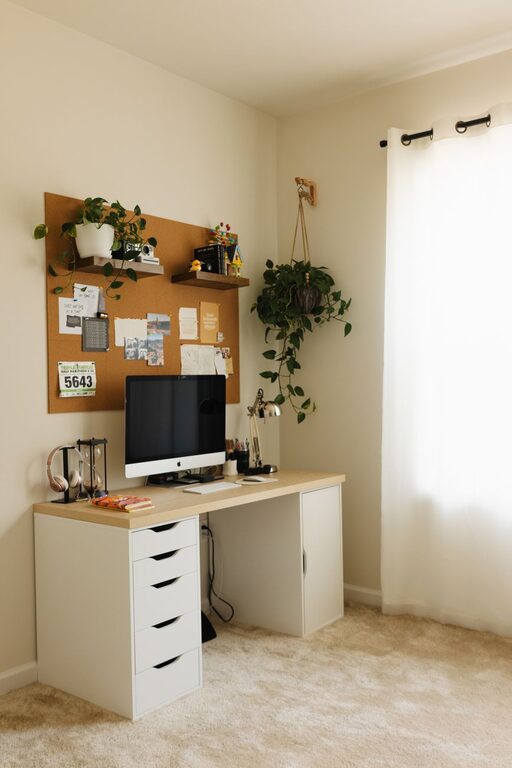
Creating a cozy and productive home workspace is key to making remote work or study both enjoyable and effective. Whether you’re setting up a dedicated office or carving out a corner in your living space, a thoughtful approach can help you stay focused, organized, and comfortable throughout the day. Below are practical tips to help you design a workspace that inspires productivity and promotes well-being.
1. Choose the Right Location
Finding the ideal spot for your home workspace is the first step. Consider these factors when picking your location:
– Natural Light: Position your desk near a window to benefit from daylight. Natural light can boost mood and reduce eye strain.
– Quietness: Choose a space with minimal distractions, away from busy household areas.
– Space: Ensure there’s enough room for your desk, chair, and any tools or equipment you use regularly.
If space is limited, a small nook or unused corner can be transformed with the right setup.
2. Invest in Comfortable, Supportive Furniture
Comfort is crucial for long hours at your desk. Pay attention to:
– Ergonomic Chair: Choose a chair that supports your back and encourages good posture.
– Desk Height: Your desk should allow your arms to rest comfortably, with elbows at roughly a 90-degree angle.
– Footrest: If your feet don’t rest flat on the floor, a footrest can improve circulation and comfort.
Proper furniture reduces fatigue and helps prevent discomfort or injury over time.
3. Organize for Efficiency
A tidy and efficient workspace can improve focus and productivity. Use these organization strategies:
– Declutter Regularly: Keep only essential items on your desk. Clear away distractions and unnecessary clutter.
– Storage Solutions: Use shelves, drawers, or organizers to keep supplies within reach but out of the way.
– Cable Management: Use clips or sleeves to control cables and keep your workspace neat.
Regular organization prevents your workspace from becoming overwhelming and disruptive.
4. Personalize to Promote Comfort and Motivation
Adding personal touches can make your space inviting and motivating without distracting from work. Consider:
– Plants: Small indoor plants can improve air quality and add a calming touch.
– Artwork or Photos: Hang inspiring images or personal photos nearby.
– Lighting: Use warm desk lamps or ambient lighting to create a cozy environment.
Balance personalization with simplicity to maintain focus.
5. Optimize Technology Setup
A functional technology setup is essential for productivity:
– Reliable Internet: A strong, stable connection minimizes interruptions.
– Monitor Placement: Position screens at eye level and about an arm’s length away.
– Keyboard and Mouse: Ergonomic peripherals reduce strain.
– Headphones: Noise-cancelling headphones help block distractions and improve concentration.
Make sure your tools support your workflow smoothly.
6. Set Boundaries and Routine
Creating mental boundaries between work and home life encourages productivity:
– Defined Work Hours: Set specific start and end times to your workday.
– Work-Only Zone: Use your workspace exclusively for work to help “switch” on your professional mindset.
– Breaks: Take short, regular breaks to stretch and refresh.
A routine helps maintain balance and prevent burnout.
7. Focus on Air Quality and Comfort
Good air quality and temperature control enhance concentration and comfort:
– Ventilation: Open windows when possible to let fresh air circulate.
– Air Purifiers: Consider using an air purifier if your space tends to be stuffy.
– Temperature: Aim for a comfortable temperature; use fans or heaters as needed.
A fresh and comfortable environment supports well-being throughout the workday.
8. Utilize Time-Management Tools
Boost your workflow with tools and techniques:
– Planner or Calendar: Use digital or paper planners to schedule tasks and deadlines.
– Timers: Techniques like the Pomodoro method can improve focus by working in timed intervals.
– Task Lists: Prioritize daily tasks to stay organized and motivated.
Consistent planning helps you make the most of your time.
—
Creating a cozy and productive home workspace is a blend of smart design, comfort, and habits. By selecting the right location, using supportive furniture, organizing effectively, and personalizing your space thoughtfully, you can build an environment that keeps you motivated and efficient. Pair this with a clear routine and attention to comfort, and you’ll enjoy a satisfying and productive work-from-home experience every day.
About the Author