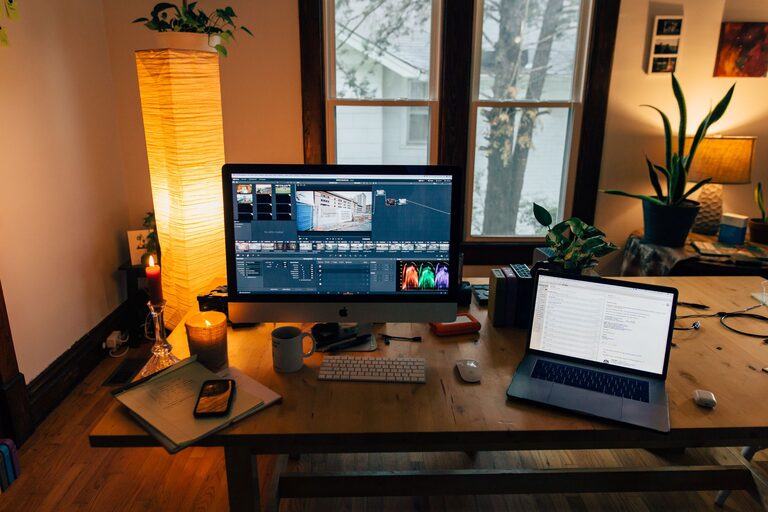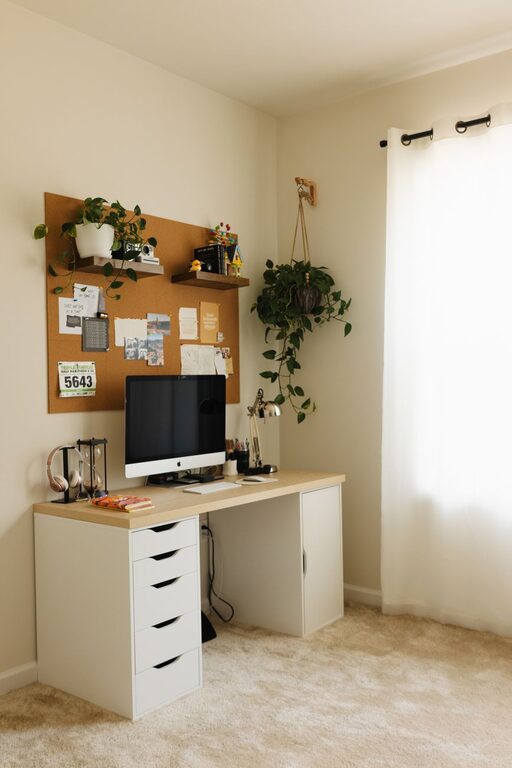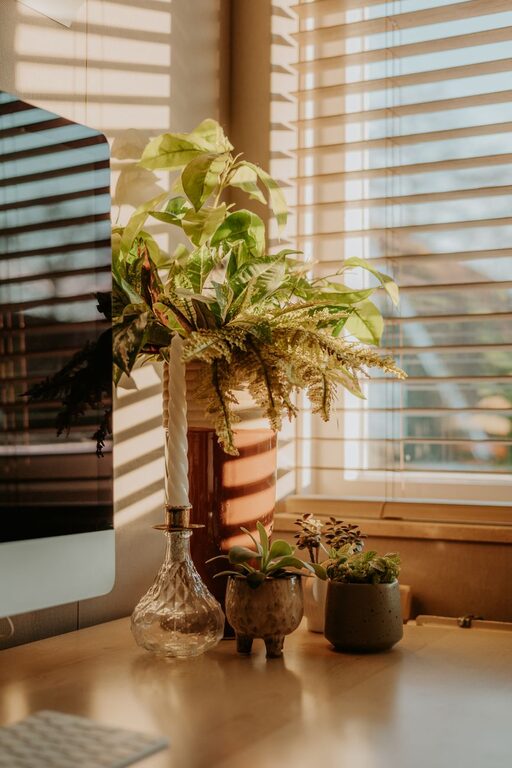
Creating a home office that feels both cozy and productive is essential for anyone working remotely or spending significant time on tasks at home. A well-designed workspace can boost your focus, keep distractions at bay, and make your workday more enjoyable. In this post, we’ll explore practical tips to help you design a home office space where comfort meets efficiency.
Choose the Right Location
Selecting the perfect spot for your home office is the first step. Ideally, pick a quiet corner or a separate room where you can minimize interruptions. Consider these factors:
– Natural Light: Position your desk near a window to enjoy daylight, which can improve mood and energy.
– Privacy: Choose a space away from household traffic to maintain focus.
– Space: Ensure there’s enough room for your desk, chair, and any additional equipment you need.
Invest in Comfortable and Functional Furniture
Your furniture choice greatly impacts your comfort and productivity. A few essentials include:
– Ergonomic Chair: Choose a chair that supports your posture with adjustable height and lumbar support.
– Desk: A desk with enough surface area to hold your computer, notes, and supplies works best.
– Storage Solutions: Use shelves, drawers, or filing cabinets to keep your items organized and within reach.
Create a Pleasant Atmosphere
The atmosphere of your workspace affects how you feel throughout the day. Enhance your office ambiance with these ideas:
– Color Palette: Select soothing colors such as soft blues, greens, or neutrals to promote calmness.
– Personal Touches: Add artwork, photos, or plants to make your space inviting and uniquely yours.
– Lighting: Besides natural light, incorporate adjustable task lighting to reduce eye strain, especially for evening work hours.
Keep Your Space Organized
A clutter-free environment helps clear your mind and increase efficiency. Adopt these organizational habits:
– Daily Clean-Up: Spend a few minutes at the end of each day to tidy your desk.
– Cable Management: Use clips or sleeves to keep cables neat and prevent tangling.
– Minimalism: Only keep essential items on your desk and store or discard what you don’t need.
Implement Productivity Tools and Technology
Equipping your office with the right tools can streamline your workflow:
– High-Speed Internet: Ensure reliable connectivity to avoid disruptions.
– Noise-Canceling Headphones: Useful for blocking out background noise.
– Digital Calendar and Task Manager: Use apps to organize meetings and to-do lists efficiently.
Establish Boundaries and Routines
Creating clear boundaries between work and home life enhances productivity and well-being:
– Set Working Hours: Define specific start and end times to encourage work-life balance.
– Dress Code: Dressing up for work can psychologically prepare you for a productive day.
– Breaks: Schedule short breaks to stretch and refresh your mind throughout the day.
Incorporate Greenery and Natural Elements
Adding plants not only beautifies your space but also improves air quality and reduces stress:
– Easy-Care Plants: Options like succulents, spider plants, or pothos are low-maintenance.
– Natural Materials: Use wooden accessories or natural fabrics to create warmth.
Manage Noise and Distractions
Minimizing noise and distractions can greatly enhance your concentration:
– Soundproofing: Use rugs, curtains, or acoustic panels if possible.
– Dedicated Phone and Video Call Area: Separate your meeting space if you share your home.
—
By thoughtfully designing your home office with these tips, you’ll create a space that inspires both comfort and productivity. Remember, a workspace is personal, so feel free to customize it to fit your style and workflow preferences. Happy working!
About the Author