Creating a cozy and inviting home office space is more important than ever, as many people spend considerable time working from home. A well-designed workspace can boost productivity, reduce stress, and help maintain a healthy work-life balance. Whether you have a dedicated room or a small corner, these tips will help you create an environment that feels both welcoming and functional.
Choose the Right Location
Selecting where to set up your home office is the first step. Ideally, pick a spot with plenty of natural light to help keep you alert and uplifted throughout the day. Avoid busy areas with lots of noise or distractions, such as near the television or heavy foot traffic.
If space is limited, consider converting a closet, nook, or part of your bedroom into a compact workspace. Using room dividers or shelving can help separate your office from the rest of the living area.
Invest in Comfortable Furniture
Comfort is key for a cozy office space. Start with an ergonomic chair that supports good posture during long hours of work. Look for adjustable features like seat height, lumbar support, and armrests.
Choose a desk that fits your needs and space. Whether it’s a simple table or a more elaborate workstation with storage, it should offer enough surface area for your computer, paperwork, and other essentials without feeling cramped.
Use Soothing Colors and Lighting
Colors influence mood, so select soft, calming shades for walls and accessories, such as pale blues, greens, or neutrals. These tones make the space feel peaceful and inviting.
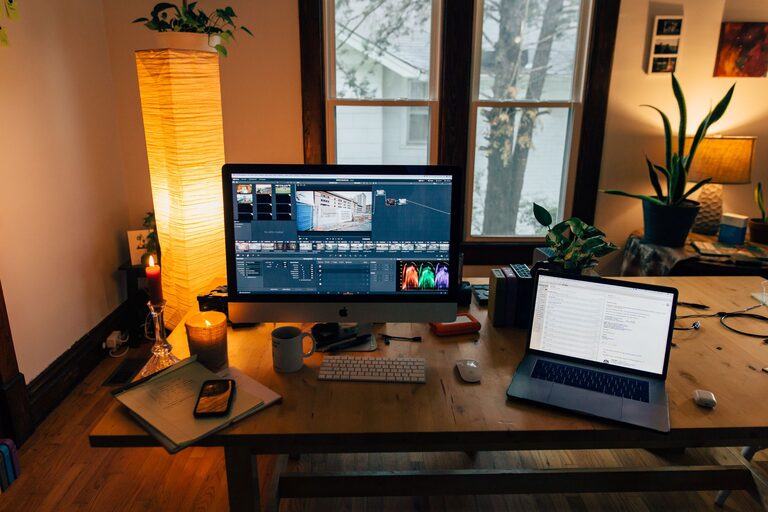
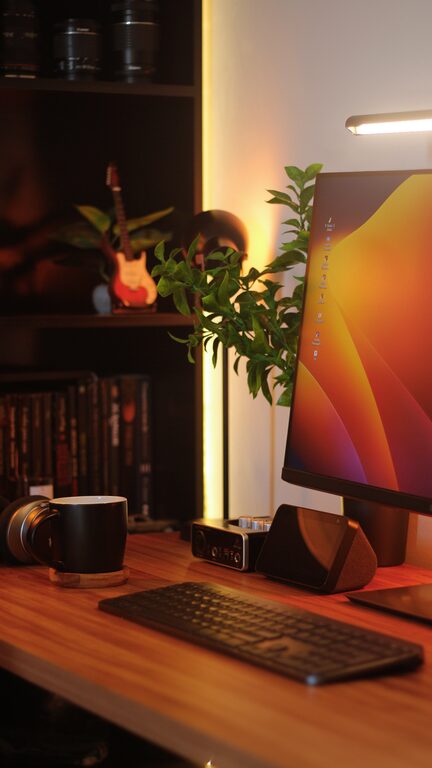
Lighting is equally important. Supplement natural light with warm, indirect lighting like desk lamps or floor lamps. Avoid harsh overhead lights that can cause eye strain or make the room feel cold.
Personalize Your Space
Add personality to your office with items that inspire you. This can include artwork, photos, plants, or meaningful objects. Personal touches make the space feel inviting and reflect your style.
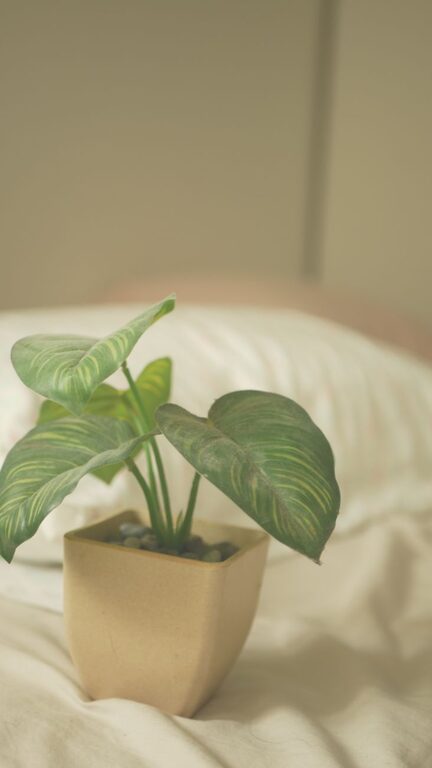
Plants, in particular, bring life and freshness to a workspace. Easy-care options like succulents or pothos don’t require much attention but help improve air quality and mood.
Organize and Declutter
A tidy workspace promotes focus and reduces anxiety. Use storage solutions like shelves, drawers, or file organizers to keep documents and supplies neat and accessible.
Set aside a few minutes each day to clear clutter from your desk. Consider cable organizers to manage wires and keep your setup clean.
Incorporate Comfortable Textiles
Soft textiles can add warmth and coziness to your office. Place a plush rug underfoot or on your desk chair. Adding cushions or a throw blanket can also enhance comfort during chilly days.
These simple additions create a welcoming atmosphere that makes it easier to settle in for productive work sessions.
Add Functional Technology
Technology should support your workflow without complicating your space. Invest in a reliable computer, quality headphones, or a good microphone if you participate in virtual meetings.
Wireless devices help reduce cord clutter, and a charging station can keep your gadgets powered and organized. Keep your technology setup simple and efficient.
Create a Relaxation Corner
If space permits, dedicate a small area for breaks. A cozy armchair or small couch allows you to step away from your desk when you need a moment to relax or read.
Having a designated spot for downtime encourages balance and helps prevent burnout during the workday.
Maintain Good Air Quality and Temperature
Fresh air and a comfortable temperature contribute significantly to your overall comfort. If possible, open windows regularly or use an air purifier.
Adjust your thermostat to a comfortable setting and consider a fan or space heater to maintain a pleasant environment year-round.
Final Thoughts
Designing a home office that feels cozy and inviting doesn’t have to be complicated. Focus on comfort, personal touches, organization, and good lighting to create a space that supports your best work. With these tips, you can transform any room or corner into a place where productivity and relaxation go hand in hand.
About the Author