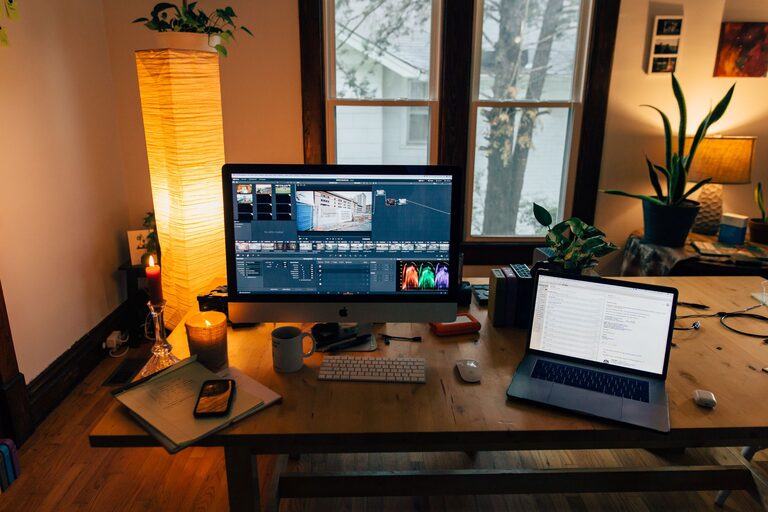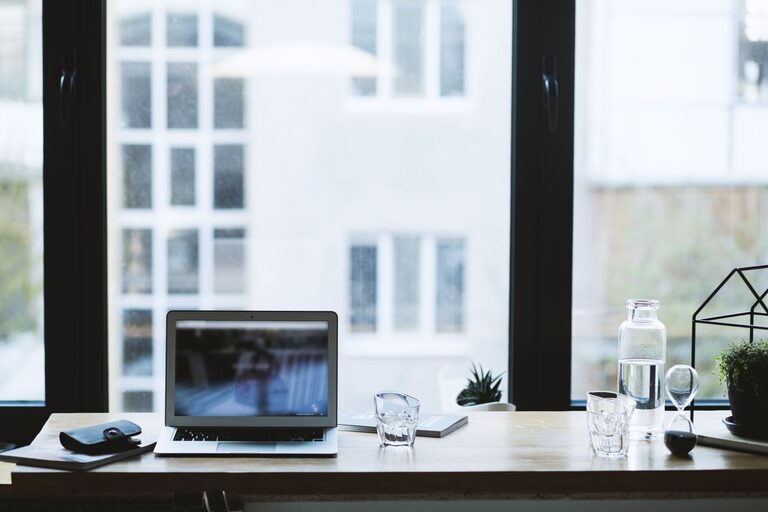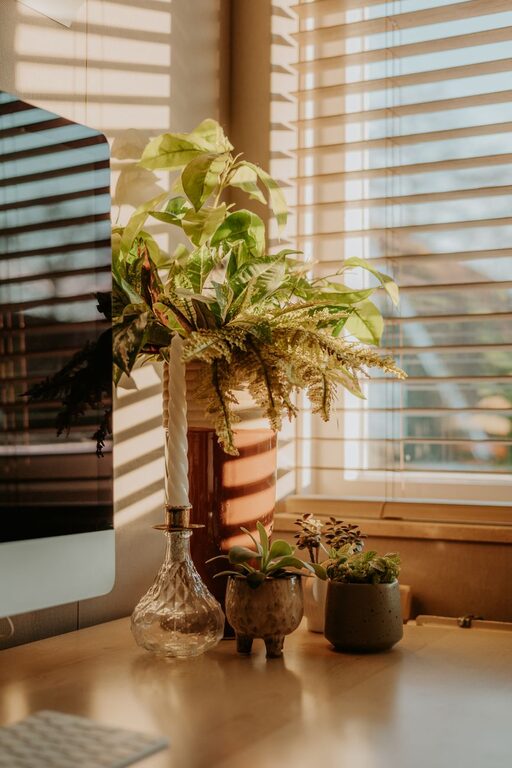
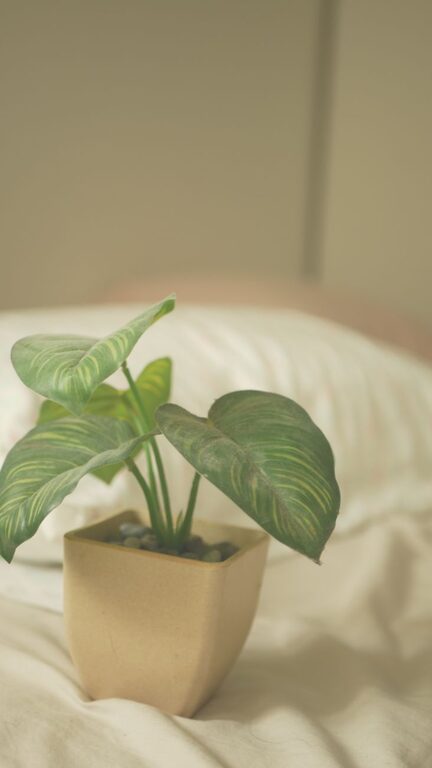
Creating a relaxing home environment can have a significant impact on your mental and emotional well-being. Your living space should be more than just a place to rest—it can be a sanctuary where you recharge, reduce stress, and feel truly at ease. If you’re looking to enhance your home atmosphere to better support your well-being, here are some helpful tips to guide you.
Why a Relaxing Home Environment Matters
A calm and inviting living space influences your mood and energy levels. When your environment promotes relaxation, it helps lower stress hormones, improve sleep quality, and encourage mindfulness. Whether you work from home or want a place to unwind after a busy day, a thoughtfully designed space can make all the difference.
Declutter and Organize for Peace of Mind
The Power of Decluttering
Clutter can contribute to feelings of stress and overwhelm. When your surroundings are chaotic, it’s harder to relax and focus. Start by decluttering one area at a time—whether it’s your living room, bedroom, or kitchen. Sort items into categories: keep, donate, recycle, or toss.
Organizing Tips for Lasting Calm
– Use baskets, shelves, or storage bins to keep things tidy.
– Keep everyday items accessible but neatly stored.
– Label containers for easy identification.
– Maintain a regular cleaning schedule to prevent clutter buildup.
By keeping your space orderly, you create a visual sense of calm that promotes relaxation.
Choose Soothing Colors
How Colors Affect Mood
Colors play a significant role in how we feel. Soft, muted tones often evoke tranquility, while bright or loud hues can be stimulating. Consider incorporating colors like:
– Pale blues or greens, which have a calming effect.
– Warm neutrals such as beige, soft gray, or cream.
– Pastel shades that bring softness without overwhelming the senses.
Applying Color in Your Home
Paint walls, add decorative throw pillows, or select calming artwork using these soothing colors to create a cohesive and restful look.
Bring Nature Indoors
Benefits of Natural Elements
Plants and natural materials foster a connection with nature, which is proven to reduce stress and increase happiness. Indoor plants also improve air quality, adding to your overall well-being.
Easy Ways to Add Nature
– Place low-maintenance plants like snake plants, pothos, or succulents around your home.
– Incorporate natural textures such as wood, stone, or bamboo in furniture or decor.
– Use natural light whenever possible by keeping windows clear and using light curtains.
Even small touches of nature can create a peaceful atmosphere.
Create Cozy and Comfortable Spaces
Prioritize Comfort
Comfort is essential for relaxation. Choose furniture and accessories that invite you to sit back and unwind.
– Select soft cushions and throws to add warmth.
– Invest in ergonomic chairs and mattresses that support your body.
– Use rugs or carpets to add softness underfoot.
Designate Relaxation Spots
Set up specific areas for rest or leisure, like a reading nook or meditation corner. Having a designated space signals your brain that it’s time to relax.
Use Soothing Scents and Sounds
Aromatherapy for Relaxation
Scents can influence mood and reduce anxiety. Consider using:
– Essential oil diffusers with lavender, chamomile, or eucalyptus.
– Scented candles or natural incense sticks.
– Fresh flowers for a natural fragrance boost.
Sounds That Calm
Sound also plays a role in your environment’s tranquility.
– Soft background music or nature sounds can enhance relaxation.
– Use white noise machines if you have noisy surroundings.
– Reduce harsh noises by adding rugs, curtains, and soft furnishings.
Incorporate Mindful Lighting
Importance of Lighting
Lighting impacts your energy and mood. Bright, harsh lights can be jarring, while soft, warm lighting soothes.
Lighting Tips
– Use dimmable lights to adjust brightness according to the time of day.
– Add lamps with warm bulbs to create an inviting glow.
– Utilize candles or fairy lights for gentle, ambient lighting in the evening.
– Maximize natural light during the day to enhance your mood.
Maintain a Comfortable Indoor Climate
Temperature and air quality contribute to comfort and health.
– Keep your home well-ventilated by opening windows when weather permits.
– Use fans or air purifiers to improve air circulation and reduce allergens.
– Adjust your thermostat to a comfortable temperature, generally between 68-72°F (20-22°C).
– Control humidity levels with a humidifier or dehumidifier as needed.
A pleasant environment supports restful sleep and reduces irritability.
Personalize Your Space with Meaningful Elements
Adding personal touches to your home makes it feel welcoming and uniquely yours.
– Display photos, artwork, or souvenirs that bring positive memories.
– Choose decor that reflects your tastes and interests.
– Create a vision board or inspirational space to motivate mindfulness and gratitude.
Surrounding yourself with meaningful items promotes happiness and grounding.
Embrace Technology Wisely
While technology can improve convenience, too much screen time or clutter from devices can disrupt relaxation.
– Set up charging stations out of sight.
– Use “Do Not Disturb” modes during relaxation times.
– Keep electronics organized and cables hidden.
Balancing technology use can help maintain a peaceful home environment.
—
Creating a relaxing home environment is all about intentional choices that nurture your well-being. By decluttering, choosing calming colors, embracing natural elements, and prioritizing comfort, you can design a space that supports your mental and emotional health. Remember that small changes can have a big impact—start with one or two tips and gradually build your sanctuary at home. Your space should feel like a refuge where you can recharge and thrive.
About the Author