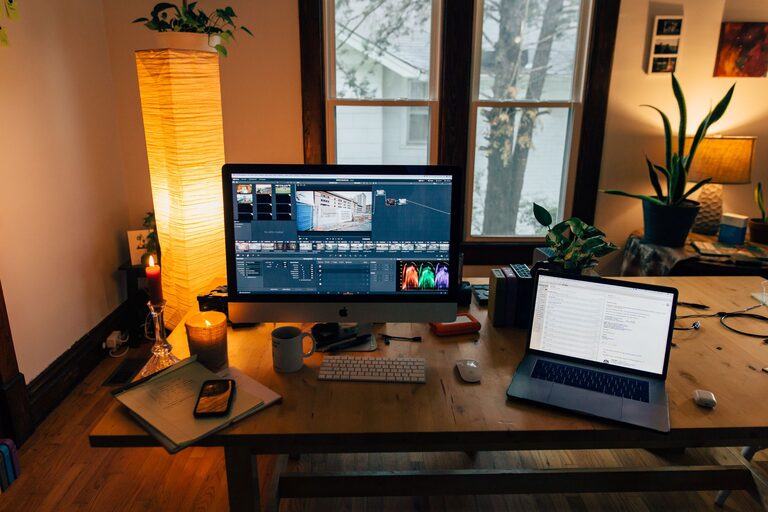

Creating an inviting and organized home workspace can significantly improve your productivity and overall work experience. Whether you work remotely full-time or occasionally need a dedicated spot for tasks, a well-designed workspace helps minimize distractions and promotes focus. In this post, we’ll explore practical tips to help you set up a home office that is both comfortable and efficient.
Why a Well-Designed Home Workspace Matters
Your home workspace is more than just a desk and chair. It’s an environment that shapes how you work and feel throughout the day. A cluttered, uncomfortable space can cause stress, reduce concentration, and lead to burnout. Conversely, a clean, inviting, and organized office can boost motivation and help maintain a healthy work-life balance.
Here are key factors to consider when creating your ideal home workspace.
Choose the Right Location
Find a Dedicated Spot
Select a space in your home where you can focus without constant interruptions. This could be a spare room, a corner in the living room, or even an area in the bedroom. The key is to make this area your dedicated work zone so your brain associates it with productivity.
Consider Natural Light
If possible, position your desk near a window. Natural light can uplift your mood, reduce eye strain, and improve alertness. If natural light is limited, invest in quality lighting that mimics daylight to keep the space bright and welcoming.
Invest in Comfortable and Ergonomic Furniture
Choose a Supportive Chair
An ergonomic chair supports your back and helps maintain good posture. Spending a few hours daily seated means comfort and support are essential to prevent back pain.
Desk Height and Size
Pick a desk height that lets your arms rest comfortably while typing. The surface should be spacious enough to hold your computer, a notepad, and any other essential items without feeling cramped.
Organize with Purpose
Declutter Regularly
Keep only the things you need for work on your desk. Decluttering prevents distractions and makes the space easier to clean. Take time at the end of each day to put away loose papers or materials.
Use Storage Solutions
Add shelves, filing cabinets, or drawer organizers to keep supplies neat and accessible. Labeling storage containers helps save time searching for items and maintains order.
Cable Management
Cords can quickly create a tangled mess. Use clips, sleeves, or ties to bundle cables and keep them out of sight, maintaining a tidy workspace.
Add Personal Touches
Decorate Thoughtfully
Incorporate items that inspire or calm you, such as plants, artwork, or photos. Plants not only brighten the space but also improve air quality and reduce stress.
Use Colors Wisely
Colors can influence mood. Soft blues and greens are calming, while yellows and oranges may stimulate creativity. Choose colors that align with the atmosphere you want to create.
Maintain a Balanced Environment
Temperature and Ventilation
Ensure your workspace is well-ventilated and maintains a comfortable temperature. Fresh air and a proper climate help you stay alert and focused.
Minimize Noise Distractions
If your home is noisy, consider noise-canceling headphones or white noise machines to block distractions. Alternatively, use soft background music if it helps you concentrate.
Develop a Routine and Set Boundaries
Keep Consistent Hours
Create a daily schedule to separate work time from personal time. Starting and ending your work at set times supports productivity and mental well-being.
Communicate Boundaries
If you live with others, communicate when you need quiet or uninterrupted work periods. Setting clear expectations helps maintain a peaceful environment.
Technology and Tools
Reliable Internet
A stable internet connection is crucial for remote work. If possible, use a wired connection or position your workspace close to your router.
Organize Digital Files
Just like physical clutter, digital clutter can slow you down. Create folders and label files clearly to find documents quickly.
Use Productivity Apps
Explore apps for task management, note-taking, or time tracking to keep your work organized and efficient.
Keep It Fresh and Flexible
Change the Layout Occasionally
Rearranging your workspace every few months can refresh your mindset and improve creativity.
Take Regular Breaks
Step away from your desk periodically to stretch and rest your eyes. This habit boosts productivity and reduces fatigue.
—
Final Thoughts
Designing an inviting and organized home workspace doesn’t require major renovations or expensive equipment. By thoughtfully selecting your spot, investing in comfortable furniture, managing clutter, and incorporating personal touches, you can create a space that supports your best work each day. Remember, the key is to build an environment that feels pleasant and functional for your unique needs.
With a little planning and regular upkeep, your home office can become a place you look forward to spending time in—and that makes all the difference.
About the Author